The Ultimate Guide: Difference Between Cube and Flat Coals
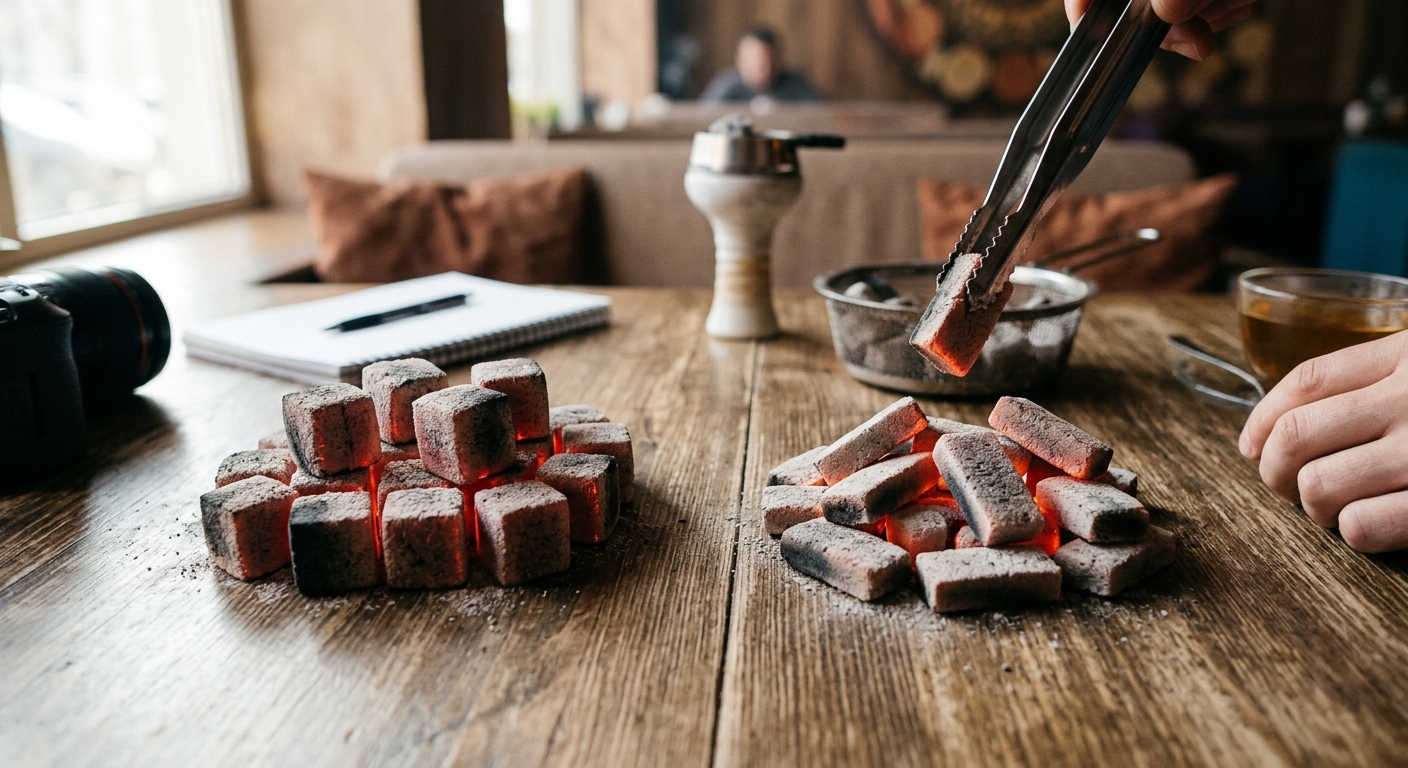
Understanding Hookah Charcoal: Cube vs Flat Coals
For hookah enthusiasts and lounge owners alike, the choice of charcoal is a critical factor in determining the quality of a smoking session. While there are many types of charcoal available, coconut charcoal briquettes have become the industry standard due to their clean burn and lack of chemical additives. Within this category, the most common shapes are cubes and flats. Understanding the difference between cube and flat coals is essential for optimal heat management and a superior hookah experience.
Both shapes are typically made from compressed coconut shells, but their physical dimensions dictate how they burn, how much heat they produce, and how they interact with your hookah bowl or heat management device (HMD). In this comprehensive guide, we will explore the nuances of each shape to help you make an informed decision.
Cube Coals: The Powerhouse of Heat
Cube coals are exactly what they sound like: perfectly symmetrical cubes, usually measuring around 25mm x 25mm x 25mm. Their larger mass and surface area make them the preferred choice for many smokers who prioritize longevity and high heat output.
Advantages of Cube Coals
- Longer Burn Time: Due to their thickness, cube coals generally last much longer than flats. A typical session with cubes can easily last over an hour without needing to add fresh coals.
- Higher Heat Output: The larger mass retains more heat, making cubes ideal for larger bowls or denser shisha packing methods that require robust temperatures.
- Stability: Their flat sides make them very stable when placed on foil or inside an HMD, reducing the risk of them rolling off.
Considerations for Cube Coals
While cubes are fantastic, they do require more time to light. If you are wondering about the best practices for this, you can check out How to Light Coconut Charcoal Briquettes: A Comprehensive Guide. Additionally, their high heat output might be too intense for heat-sensitive shisha brands, requiring careful monitoring.
Flat Coals: Precision and Control
Flat coals are rectangular, typically measuring around 25mm x 25mm x 15mm. They are essentially a cube cut in half or compressed to a flatter profile. This shape offers a different set of benefits tailored to specific smoking preferences.
Advantages of Flat Coals
- Faster Lighting Time: Because they are thinner, flat coals ignite much faster than cubes. This is perfect for those who want to start their session quickly.
- Precise Heat Management: Flat coals offer a lower, more manageable heat output. This makes them excellent for foil setups where you need to carefully control the temperature to avoid burning the shisha.
- Versatility: They can be easily stacked or stood on their sides (often referred to as "stonehenging") to adjust the heat intensity dynamically during the session.
Considerations for Flat Coals
The primary drawback of flat coals is their shorter lifespan. You will likely need to ash them more frequently and add fresh coals sooner than you would with cubes. For a deeper dive into these comparisons, read Cube vs Flat Shisha Coals: A Comprehensive Guide to Choosing the Right Charcoal.
Comparing Cube and Flat Coals
To summarize the practical differences between these two popular shapes, let us look at a direct comparison.
| Feature | Cube Coals | Flat Coals |
|---|---|---|
| Burn Time | 60 - 90 minutes | 45 - 60 minutes |
| Lighting Time | 10 - 15 minutes | 5 - 8 minutes |
| Heat Output | High / Intense | Moderate / Controllable |
| Best Used With | HMDs, Large Bowls, Dark Leaf Tobacco | Foil, Small Bowls, Blonde Leaf Tobacco |
Which Charcoal Should You Choose?
The choice between cube and flat coals ultimately comes down to your personal smoking style and equipment. If you use a Heat Management Device (HMD) like a Kaloud Lotus, cube coals are often preferred because two cubes fit perfectly and provide sustained heat. On the other hand, if you prefer traditional aluminum foil setups, flat coals give you the flexibility to spread the heat out and avoid scorching your flavor.
Many professional lounges source their coals from premium manufacturers. If you are looking for high-quality options, you can visit premium charcoal suppliers to explore a variety of shapes and sizes tailored to your needs.
Conclusion
In conclusion, the difference between cube and flat coals lies primarily in heat output, burn duration, and lighting time. Cube coals are the heavy-duty option for long, intense sessions, while flat coals offer quick lighting and precise heat management. By understanding these characteristics, you can elevate your hookah sessions, ensuring perfect clouds and flavor every time. Experimenting with both shapes in different setups is the best way to find exactly what works for your unique preferences.
Frequently Asked Questions (FAQ)
Can I use cube and flat coals together?
Yes, many smokers combine them. For instance, you might start a session with two cubes for high initial heat, and later add a flat coal to maintain the temperature without overheating the bowl.
Do flat coals produce less ash than cube coals?
Ash production is mostly determined by the quality of the charcoal rather than the shape. However, because flat coals burn faster, they may appear to ash more quickly during a session compared to cubes of the same brand.
Which shape is better for a Kaloud Lotus?
Cube coals are generally better for a Kaloud Lotus or similar HMDs. Most devices are designed to perfectly fit two standard-sized cubes, providing an optimal and long-lasting heat distribution for the duration of your session.


Comments
Post a Comment