Which Shisha Coals Produce Less Ash? A Professional Guide
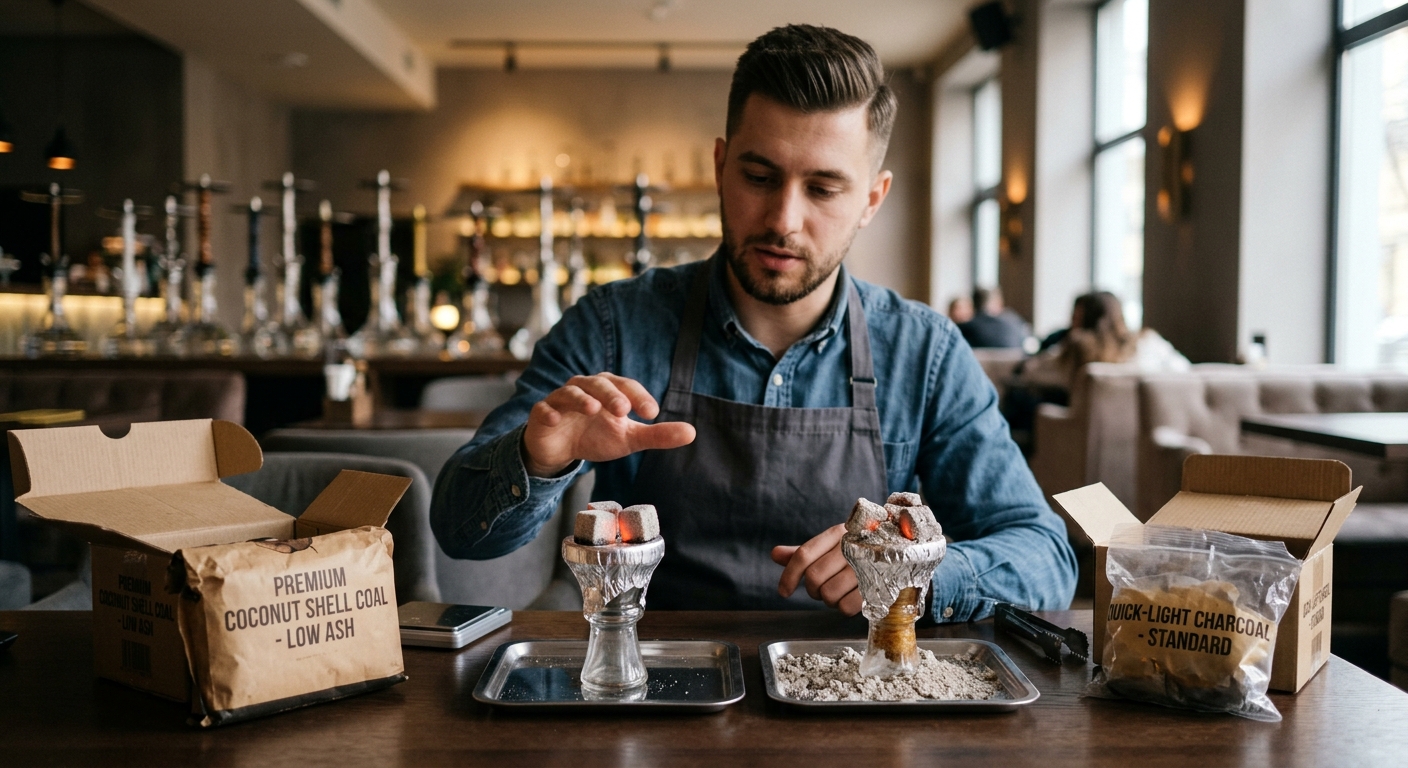
Introduction to Shisha Coals and Ash Production
For hookah enthusiasts and lounge owners alike, the quality of the smoking session heavily depends on the type of charcoal used. One of the most critical factors in determining charcoal quality is its ash production. High ash content can ruin a session by falling into the bowl, affecting the flavor of the shisha, and requiring constant maintenance. Understanding which shisha coals produce less ash is essential for a clean, flavorful, and long-lasting hookah experience. In this guide, we will explore the different types of shisha coals, why ash content matters, and which options are best for minimizing ash.
Why Ash Content Matters in Shisha Coals
Ash is the byproduct of combustion. When charcoal burns, the inorganic minerals left behind form ash. In the context of a hookah session, excessive ash can be problematic for several reasons. Firstly, it acts as an insulator, reducing the heat transfer from the coal to the shisha tobacco. This means you have to frequently ash the coals to maintain optimal heat. Secondly, fine ash particles can easily fall through the holes in your aluminum foil or heat management device (HMD), mixing with the tobacco and imparting a harsh, bitter taste. Finally, a high-ash coal creates a mess, making cleanup tedious.
Therefore, selecting coals with low ash content—typically below 3%—is vital. Low ash production indicates a high purity of raw materials and an efficient carbonization process.
Natural Coconut Coals: The Industry Standard for Low Ash
When asking which shisha coals produce less ash, the undisputed answer is natural coconut charcoal. Made from compressed coconut shells, these coals are highly regarded for their purity, long burn time, and minimal ash production. Unlike traditional wood coals or quick-lights, coconut coals do not contain chemical accelerants or fillers that contribute to excess ash.
The Manufacturing Process of Coconut Coals
The secret to the low ash content of coconut coals lies in their manufacturing. High-quality coconut shells are carbonized, crushed, and mixed with a natural binder like tapioca starch. The mixture is then pressed into various shapes, such as cubes or flats. If you are debating between shapes, you can read Cube vs Flat Shisha Coals: A Comprehensive Guide to Choosing the Right Charcoal to understand how shape affects heat distribution and longevity.
Indonesian Coconut Charcoal
Indonesia is the world's leading producer of premium coconut charcoal for shisha. The region's specific coconut varieties yield incredibly dense shells, which translate to high carbon content and very low ash (often around 1.5% to 2.5%). For businesses looking to source these high-quality coals, it is important to understand the standards involved. You can learn more about this by reading Buy Coconut Charcoal Wholesale from Indonesia: A Comprehensive Guide. Adhering to strict export standards ensures the ash content remains low. For detailed metrics, check out the Indonesian Charcoal Export Specifications for Shisha: A Comprehensive Guide.
Quick-Light Coals vs. Natural Coals
It is crucial to differentiate between natural coals and quick-light coals when discussing ash production.
Quick-Light Coals
Quick-light coals are infused with chemical accelerants like sulfur or saltpeter, allowing them to be lit with a standard lighter in seconds. However, this convenience comes at a significant cost. The chemicals and lower-quality wood dust used in these coals result in very high ash production. The ash is often powdery and volatile, easily blowing into the bowl. Additionally, they tend to burn much faster and can impart a chemical taste to the shisha.
Natural Wood Coals
Lemon wood or orange wood coals are sometimes used in traditional settings. While they are natural, their ash production is generally higher than that of coconut coals, and they require more frequent tending.
Tips for Managing Ash During Your Session
Even with the best low-ash coconut coals, some ash will be produced. Here are tips to manage it effectively:
- Proper Lighting: Ensure your natural coals are fully lit and glowing red on all sides before placing them on the bowl. Unlit black spots can cause uneven burning and extra ash.
- Heat Management Devices (HMDs): Using an HMD instead of foil can significantly reduce the amount of ash that reaches the tobacco, as the device acts as a barrier.
- Foil Technique: If you prefer traditional methods, ensuring your foil is tight and poking appropriately sized holes can help. For more details on this traditional method, refer to A Complete Guide to Using Cube Coals on Aluminum Foil for Shisha.
- Gentle Ashing: When removing ash from the coals, use tongs to gently tap them on the tray rather than dropping them from a height, which causes the ash to scatter.
Comparing Ash Characteristics
| Type of Charcoal | Average Ash Content | Ash Characteristics | Impact on Flavor |
|---|---|---|---|
| Premium Coconut | 1.5% - 2.5% | Dense, stays on the coal | None (Neutral) |
| Standard Coconut | 2.5% - 4.0% | Slightly loose, easy to manage | Very Minimal |
| Natural Wood (Lemon/Orange) | 4.0% - 6.0% | Flaky, requires frequent ashing | Mild Wood Note |
| Quick-Light | 8.0%+ | Powdery, flies easily | High Risk of Chemical Taste |
Conclusion
To answer the question of which shisha coals produce less ash, natural coconut charcoal is the definitive choice. By avoiding quick-light coals and opting for premium, highly compressed coconut coals—particularly those adhering to strict Indonesian export specifications—you can ensure a cleaner, more flavorful, and longer-lasting hookah session. A lower ash content not only improves heat transfer but also protects the integrity of your shisha flavor, making the investment in high-quality charcoal well worth it for any serious hookah smoker.
Frequently Asked Questions
Why does my charcoal produce so much ash?
High ash production is usually a sign of lower-quality charcoal. It means the coal contains more non-combustible materials, fillers, or chemical accelerants (as seen in quick-lights) rather than pure carbon.
Does the shape of the charcoal affect ash production?
While the shape (cube, flat, or hexagon) primarily affects heat output and burn time, the ash percentage is determined by the raw material. However, denser shapes like cubes may hold their ash better, preventing it from falling off as quickly.
How do I know if a coconut coal is high quality?
High-quality coconut coals will take longer to light (usually 8-12 minutes on an electric burner), will not emit strong odors or excessive smoke while lighting, and will leave behind a low amount of pale ash that retains the shape of the coal.


Comments
Post a Comment