Flat vs Cube Coals for Dark Leaf Tobacco: A Comprehensive Guide
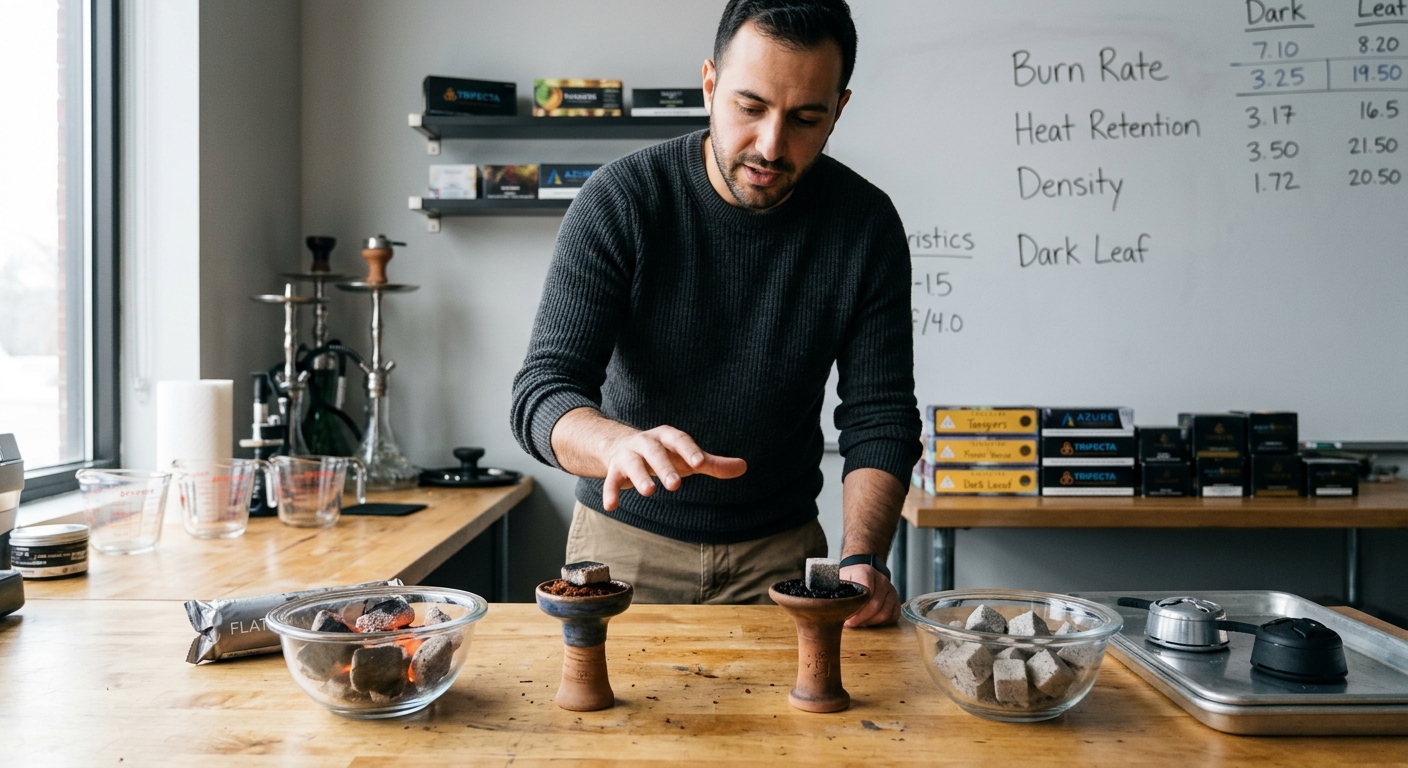
Understanding Hookah Coals: Flat vs Cube
When it comes to enjoying a premium hookah session, especially with robust dark leaf tobacco, the choice of charcoal is paramount. Dark leaf tobacco requires precise heat management to release its complex flavors without burning. Hookah enthusiasts often debate the merits of flat and cube coconut coals. Both shapes offer distinct advantages and require different heat management strategies to achieve the perfect smoke.
Using high-quality coconut charcoal from a reputable charcoal manufacturer is the first step toward an exceptional session. Coconut coals are preferred because they are natural, produce minimal ash, and do not impart unwanted flavors to the tobacco.
The Characteristics of Flat Coals
Flat coals are rectangular and thinner than cubes. Because of their shape, they provide a larger surface area in contact with the foil or heat management device (HMD), transferring heat more rapidly. This makes them ideal for quickly bringing a bowl up to temperature.
For dark leaf tobacco, which often requires a dense pack and careful heat application, flat coals offer excellent control. You can easily stand them on their edges to reduce the heat or lay them flat to increase it. If you are interested in exploring the best options available, check out Longest Lasting Flat Coconut Coals: A Professional Guide for Hookah Enthusiasts.
The Characteristics of Cube Coals
Cube coals are perfectly square and thicker than flats. They burn longer and provide a steady, consistent heat output. This sustained heat is beneficial for long sessions with dark leaf tobacco, as you won't need to ash or replace the coals as frequently.
However, cube coals can sometimes produce too much heat for certain dark leaf brands if not managed correctly. Using an HMD can help mitigate this by distributing the heat evenly. To master the use of these coals, read The Ultimate Guide to Lighting Cube Coconut Coals Properly.
The following table compares the typical attributes of flat and cube coconut coals to help you decide which is best for your setup.
| Coal Shape | Burn Time | Heat Intensity | Best For |
|---|---|---|---|
| Flat Coals | 45-60 Minutes | Moderate/Adjustable | Precise heat management |
| Cube Coals | 60-90 Minutes | High/Consistent | Long sessions, HMDs |
Heat Management for Dark Leaf Tobacco
Dark leaf tobacco has a higher nicotine content and is more heat-sensitive than blonde leaf. A dense pack is typically recommended, leaving a slight gap between the tobacco and the foil or HMD. Whether you choose flat or cube coals, starting with fewer coals and gradually adding more is the safest approach to avoid scorching the bowl.
Proper preparation is key. For a comprehensive walkthrough on preparing your session, refer to The Ultimate Guide on How to Setup a Hookah Like a Pro. This guide will ensure your equipment is perfectly primed for whatever coal shape you select.
Conclusion
The choice between flat and cube coals for dark leaf tobacco ultimately comes down to personal preference and your specific setup. Flat coals offer unmatched heat control and adjustability, making them perfect for those who like to micro-manage their sessions. Cube coals provide longevity and consistent heat, ideal for longer, uninterrupted smokes. By understanding the unique properties of each, you can elevate your dark leaf experience to new heights.
Frequently Asked Questions
Can I use both flat and cube coals together?
Yes, some experienced smokers mix flat and cube coals to balance rapid heat-up times with sustained longevity. However, this requires careful monitoring to prevent overheating.
Do flat coals produce more ash than cube coals?
Generally, flat coals may appear to produce ash faster because they burn quicker due to their larger surface-to-volume ratio, but the total ash volume depends on the quality of the coconut charcoal.
Which coal shape is better for Heat Management Devices (HMDs)?
Cube coals are often preferred for HMDs because their consistent, long-lasting heat pairs well with the device's ability to regulate and distribute temperature evenly across the bowl.


Comments
Post a Comment