Mastering the Art of Flipping Flat Coconut Coals on Shisha
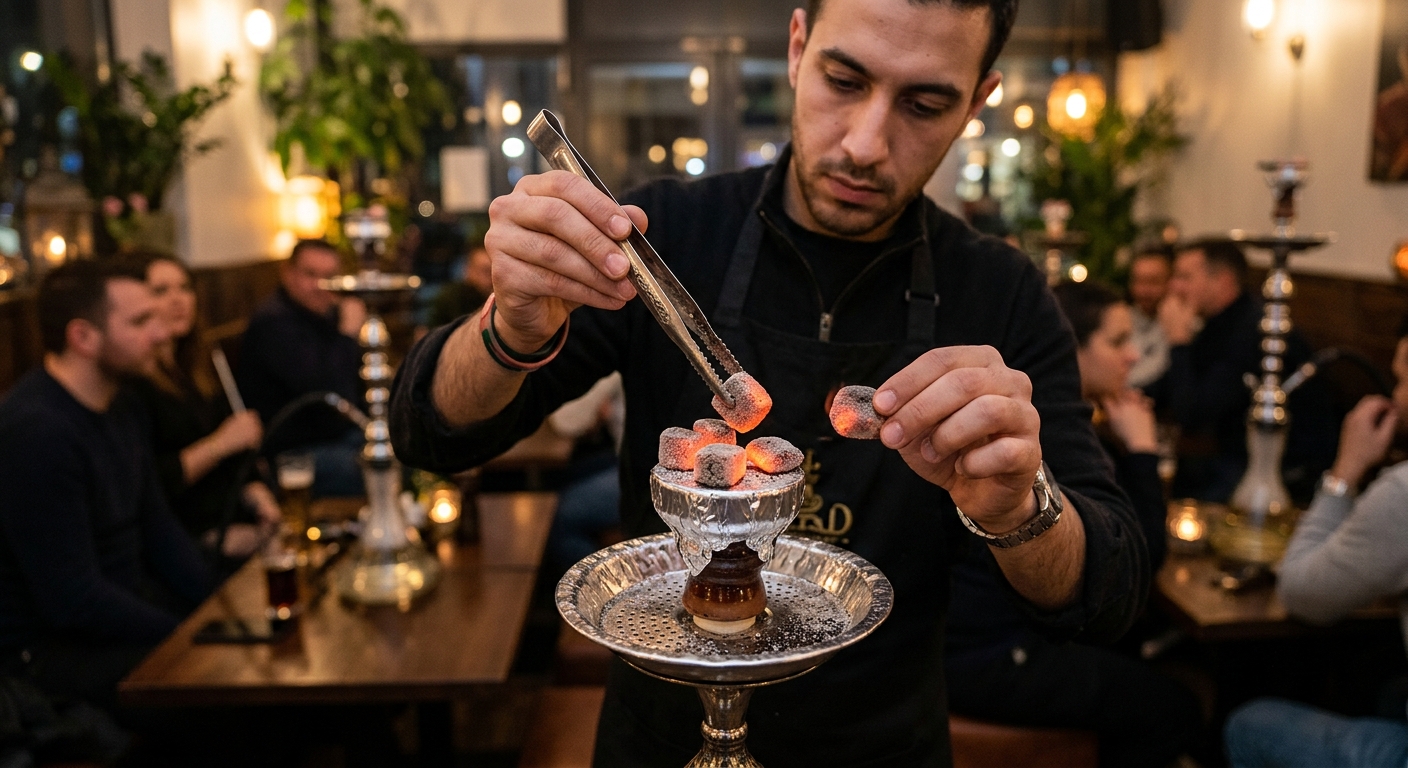
Introduction to Shisha Heat Management
Heat management is the cornerstone of a premium shisha experience. Without the proper regulation of temperature, even the most exquisite tobacco blends can become harsh, burnt, or lackluster. One of the most popular heat sources among hookah enthusiasts is flat coconut charcoal. Unlike their cube counterparts, flat coals offer a unique surface area and heat profile. Mastering the technique of flipping flat coconut coals on your shisha is essential for maintaining a consistent, enjoyable session.
Coconut coals are celebrated for their clean burn, minimal ash production, and lack of chemical odors. However, to extract their full potential, one must understand how they behave when placed on a hookah bowl or a heat management device (HMD). Proper flipping not only prolongs the life of the coals but also prevents the tobacco from overheating. If you are new to this type of charcoal, you might want to start by reading How to Light Flat Coconut Coals: A Comprehensive Guide to ensure your coals are perfectly ignited before you even begin.
Why Flat Coconut Coals?
Flat coconut coals are typically shaped like small rectangular bricks. This geometry provides a larger resting surface area, which transfers heat efficiently to the bowl. Because they sit lower, they can sometimes produce intense heat quickly, requiring vigilant management. They are an excellent choice for those who prefer foil setups or shallow bowls. Furthermore, their stability makes them less prone to rolling off the bowl, adding a layer of safety to your session.
The debate between using flat coals versus cube coals is an ongoing one in the hookah community. Understanding the nuances can significantly impact your setup. For an in-depth comparison, check out Two Cube Coals vs Three Flats: The Ultimate Hookah Heat Management Guide. Regardless of your preference, managing flat coals requires a specific routine of ashing and flipping to maintain the perfect temperature.
The Importance of Flipping Your Coals
When a coal rests on a surface, the bottom side—the side in direct contact with the foil or HMD—is deprived of oxygen. Over time, this causes the bottom face to turn black and lose its heat, while the exposed top and sides continue to burn and accumulate ash. If left unattended, the heat transfer to the shisha tobacco diminishes, resulting in weak clouds and a loss of flavor.
Flipping the coals accomplishes two critical tasks. First, it knocks off the accumulated ash, preventing it from insulating the heat or falling into the bowl. Second, it exposes the blackened, oxygen-deprived side of the coal to the air, allowing it to reignite and radiate heat efficiently once again. Regular flipping, usually every 15 to 20 minutes, ensures a steady, unbroken stream of heat.
Techniques for Flipping Flat Coals
Flipping flat coals is not merely about turning them upside down; it is a deliberate process. Here are the professional steps to ensure optimal heat management:
- Use the Right Tongs: Always use sturdy, long-handled hookah tongs. This provides better control and keeps your hands safe from the intense heat.
- Ashing Before Flipping: Before you place the flipped coal back on the bowl, gently tap it against your ash tray. This removes the outer layer of loose ash.
- Strategic Placement: When returning the coal to the bowl, do not place it in the exact same spot. Move it slightly along the perimeter of the bowl. This prevents hot spots and ensures the tobacco bakes evenly.
- Monitor the Black Side: When you flip the coal, the black side should face upward. The ambient oxygen will quickly bring it back to a glowing red state.
For those interested in the broader charcoal industry and where these high-quality products originate, understanding the supply chain can be fascinating. You can explore A Complete Guide to Importing Charcoal from Indonesia for insights into the global charcoal market.
Common Mistakes to Avoid
Even seasoned smokers can fall into bad habits. Avoiding these common mistakes will elevate your shisha sessions:
- Waiting Too Long: If you wait until the smoke becomes thin to flip your coals, you have waited too long. The temperature drop will ruin the momentum of the session.
- Flipping Too Often: Conversely, constantly moving the coals prevents them from establishing a steady heat transfer. Stick to a 15-20 minute interval.
- Ignoring Ash Buildup: Letting ash pile up on the foil can block airflow and insulate the heat. Always ash your coals during the flipping process.
Comparing Shisha Coals and BBQ Coals
While coconut charcoal is excellent for shisha, it is also highly regarded in the culinary world. The qualities that make it great for smoking—clean burn, high heat, low ash—also make it perfect for grilling. If you enjoy outdoor cooking as much as a good hookah session, you might find The Ultimate Guide to BBQ Coconut Charcoal Briquettes: A Greener Way to Grill to be an interesting read.
Below is a brief comparison highlighting the differences in attributes between flat coconut coals used for shisha and coconut briquettes used for BBQ:
| Charcoal Type | Primary Use | Burn Time | Ash Production |
|---|---|---|---|
| Shisha Flat Coals | Hookah/Shisha | 45 - 60 minutes | Very Low |
| BBQ Briquettes | Grilling/Cooking | 120 - 180 minutes | Low to Medium |
Conclusion
Mastering the technique of flipping flat coconut coals on your shisha is a fundamental skill for any hookah enthusiast. By understanding the geometry of flat coals, the necessity of regular flipping and ashing, and the importance of strategic placement, you can maintain perfect heat management throughout your session. Remember to observe your coals, use the right tools, and adjust your routine based on the smoke output and flavor. With practice, managing flat coconut coals will become second nature, resulting in thick clouds, robust flavor, and a truly professional shisha experience.
Frequently Asked Questions
How often should I flip my flat coconut coals?
You should generally flip your flat coconut coals every 15 to 20 minutes. This prevents the bottom from blacking out and ensures a consistent heat transfer to the shisha tobacco.
Do I need to flip coals if I am using a Heat Management Device (HMD)?
Yes, even within an HMD, the side of the coal resting on the metal will lose oxygen and turn black. Flipping and ashing the coals inside the HMD will maintain optimal temperatures.
Why do my flat coals turn black on the bottom?
The bottom of the coal turns black because it is deprived of oxygen when resting on the foil or HMD. Flipping the coal exposes that side to the air, allowing it to reignite.
Can I use flat coconut coals on any type of hookah bowl?
Yes, flat coconut coals are versatile and can be used on traditional Egyptian bowls, phunnel bowls, and vortex bowls. They are particularly well-suited for foil setups due to their stability.


Comments
Post a Comment