Flat vs Cube Shisha Coals: Which is Best for Your Hookah Session?
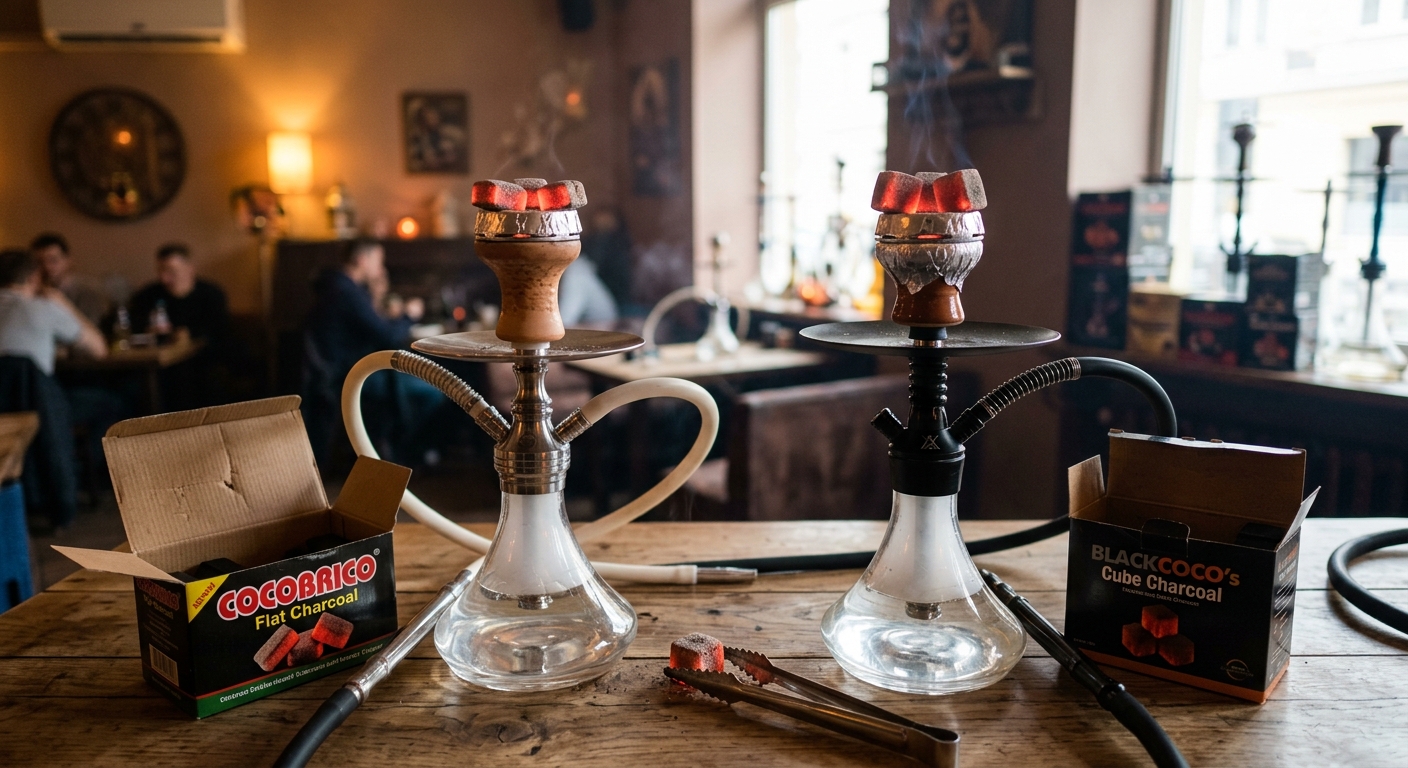
Introduction to Shisha Coals
When it comes to preparing the perfect hookah session, the type of charcoal you use is just as important as the shisha tobacco itself. The debate of flat vs cube shisha coals has been ongoing among hookah enthusiasts and lounge owners alike. Both shapes offer distinct advantages and require different heat management techniques. Choosing the right charcoal shape can significantly impact the flavor, smoke density, and longevity of your session. In this comprehensive guide, we will explore the nuances of flat and cube coals, helping you make an informed decision for your next smoke.
The Importance of Natural Coconut Charcoal
Before diving into the specific shapes, it is crucial to understand the material. The industry standard for premium hookah sessions is natural coconut charcoal. Unlike quick-light coals that contain chemical accelerants, natural coconut coals burn cleaner, last longer, and do not impart an unpleasant chemical taste to your shisha. Whether you choose flats or cubes, ensuring you purchase high-quality coconut charcoal is the first step toward a superior smoking experience. Manufacturers like Oxi Charcoal briquettes focus on providing sustainable, high-density products that elevate both hookah and grilling experiences.
Understanding Flat Shisha Coals
Flat shisha coals are rectangular briquettes that are thinner than their cubic counterparts. They typically measure around 25mm x 25mm x 15mm. Because they have a lower profile, they are a staple for traditional foil setups and specific heat management devices (HMDs) that have limited vertical space.
One of the primary benefits of flat coals is their heat control. Because they are smaller, they output a slightly lower, more manageable heat. This makes them ideal for dark leaf tobaccos or sensitive blonde leaves that burn easily. Furthermore, flats tend to ash more predictably and rest stably on top of foil. If you want to dive deeper into how long these specific shapes last, check out Understanding Flat Shisha Coals Smoking Duration: Maximizing Your Session.
Pros of Flat Coals
- Precise Heat Management: Easier to micro-manage temperatures by adding or removing a single flat coal.
- Stability: Their flat surface area prevents them from rolling off the bowl.
- Faster Lighting Time: Due to their thinner profile, they typically light a few minutes faster than cubes.
Cons of Flat Coals
- Shorter Burn Time: They generally burn out faster than cubes, requiring more frequent coal rotations and replacements.
- Higher Consumption: You may use more pieces per session to maintain optimal heat.
Understanding Cube Shisha Coals
Cube coals are perfectly symmetrical blocks, usually measuring 25mm x 25mm x 25mm, though jumbo cubes (26mm or 27mm) are also popular. Cubes have become the go-to choice for modern hookah smokers, particularly those who use heat management devices like the Kaloud Lotus or Provost.
The larger mass of a cube coal means it holds more thermal energy. This translates to a significantly longer burn time and a higher peak heat output. For dense packs or high-heat tolerant tobaccos, cubes provide the sustained energy needed to produce thick, flavorful clouds for well over an hour.
Pros of Cube Coals
- Extended Burn Time: Cubes easily last 60 to 90 minutes, making them perfect for long, uninterrupted sessions.
- High Heat Output: Ideal for modern HMDs that require substantial heat to warm the metal plate.
- Lower Ash Production per Hour: Because you use fewer coals over a long period, overall ash management is simplified.
Cons of Cube Coals
- Longer Lighting Time: Their dense, thick shape requires a longer time on the coil burner (usually 10-15 minutes).
- Potential for Overheating: If not managed properly, three cubes can easily scorch your bowl.
Comparing Flat vs Cube Coals
To help you choose the best option for your setup, the following table breaks down the concrete differences between standard flat and cube coconut coals based on their physical attributes and performance metrics.
| Coal Shape | Dimensions (Approx.) | Average Burn Time | Heat Output Level |
|---|---|---|---|
| Flat Coals | 25mm x 25mm x 15mm | 45 - 60 minutes | Moderate |
| Cube Coals | 25mm x 25mm x 25mm | 60 - 90 minutes | High |
Heat Management Devices (HMDs) vs Foil
Your choice between flats and cubes often comes down to your bowl preparation. Traditional smokers who prefer heavy-duty aluminum foil frequently lean toward flat coals. Three flats arranged evenly around the edge of a phunnel bowl provide a gentle, even heat that slowly bakes the tobacco. On the other hand, modern HMDs are generally designed to house two to three cube coals. The high heat of the cubes is absorbed by the aluminum or stainless steel of the device, which then radiates evenly into the tobacco.
If you are exploring the broader uses of coconut charcoal, you might be surprised to learn that similar high-density briquettes are prized in the culinary world. For an interesting crossover, read The Ultimate Guide to Coconut Charcoal Briquettes for BBQ Grilling.
Mastering Your Setup
Preparation is key to an excellent session. Regardless of the shape you choose, always ensure your coals are fully lit before placing them on your bowl. They should be glowing red and covered in a fine layer of gray ash; any black, unlit spots can cause carbon monoxide issues and ruin the flavor of your shisha. For a thorough walkthrough on getting your setup right, be sure to read Shisha Preparation: Flat vs Cube Coals - A Complete Guide.
Conclusion
Ultimately, the flat vs cube shisha coals debate does not have a single right answer. It comes down to your personal smoking preferences, your bowl, and whether you use foil or an HMD. Flat coals offer precision, quicker lighting times, and are highly stable on foil setups. Cube coals provide robust, long-lasting heat that pairs perfectly with modern heat management devices. By understanding the unique properties of both shapes, you can tailor your heat management strategy to achieve the perfect balance of flavor and vapor in every hookah session.
Frequently Asked Questions
Can I use flat coals in a Heat Management Device (HMD)?
Yes, flat coals can be used in an HMD. Many smokers use flats in an HMD because they allow for precise temperature control. However, you may need to add an extra flat coal or replace them sooner than you would with cube coals.
Why are my cube coals turning black on the bottom?
Coals turn black on the bottom when they are deprived of oxygen. This phenomenon, known as "blacking out," is common when coals sit flush against a flat surface for too long. To fix this, simply flip your coals with tongs every 15-20 minutes to expose all sides to oxygen.
Are natural coconut coals better than quick-lights?
Absolutely. Natural coconut coals are the standard for premium hookah sessions because they do not contain toxic chemical accelerants. They burn at a more consistent temperature, last longer, and preserve the true flavor of your shisha tobacco.
How long does it take to light flat vs cube coals?
Flat coals typically take about 7 to 10 minutes to fully light on an electric coil burner, while standard cube coals require about 10 to 15 minutes due to their greater density and thickness. Both should be flipped halfway through the lighting process.


Comments
Post a Comment