Cube vs Flat Charcoal Heat Transfer: A Professional Guide for Hookah Enthusiasts
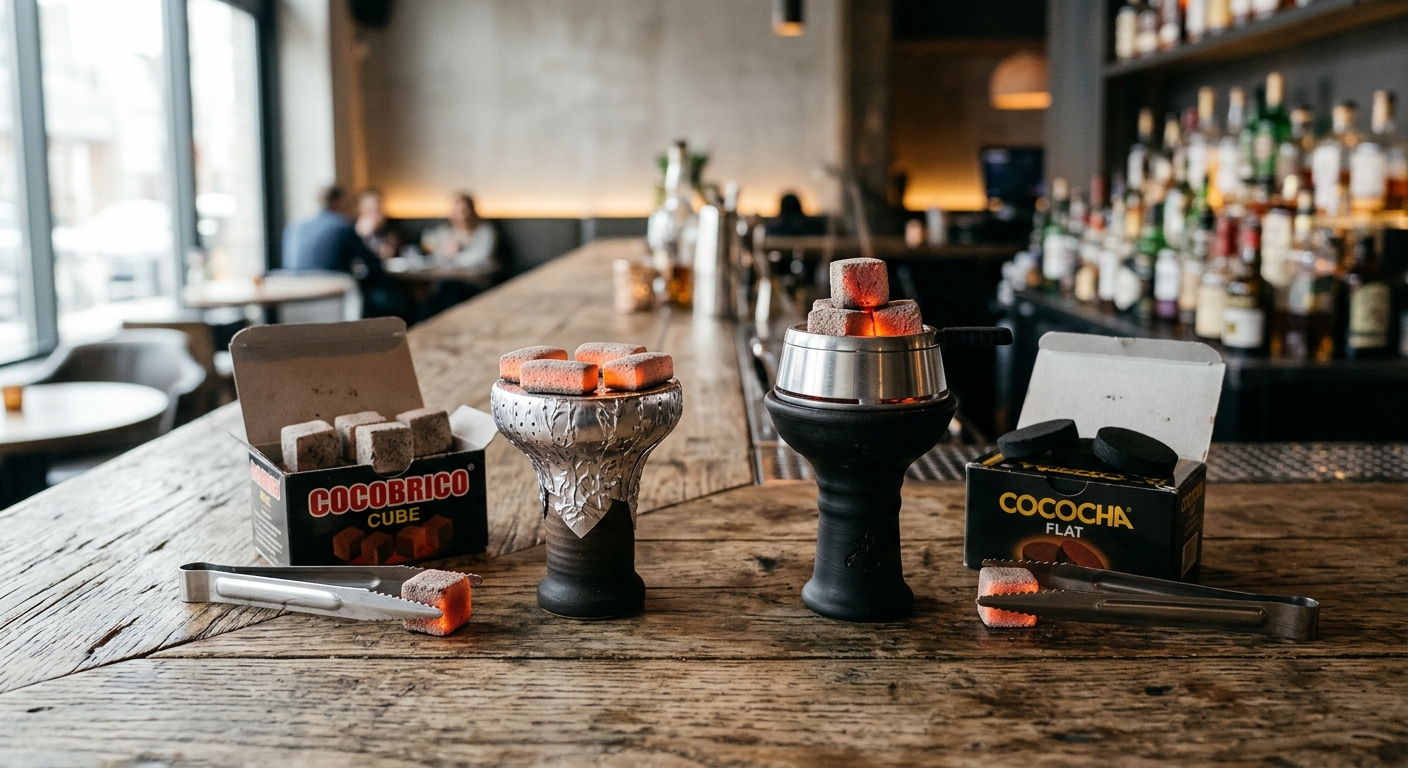
Understanding Hookah Heat Transfer: Cube vs Flat Charcoal
When it comes to enjoying a premium hookah session, heat management is arguably the most critical factor. The shape and size of the charcoal you use play a massive role in how heat is transferred to your shisha. Two of the most popular charcoal shapes on the market are cubes and flats. Understanding the differences in cube vs flat charcoal heat transfer is essential for optimizing flavor, smoke output, and session longevity.
As you delve into the world of heat management, you will find that a proper setup can make or break your experience. For a deep dive into selecting the right fuel for extended smokes, check out The Best Hookah Charcoal for Long Sessions: A Comprehensive Guide. Let us explore the mechanics behind these two distinct charcoal shapes.
The Mechanics of Cube Charcoal Heat Transfer
Cube charcoal, as the name suggests, features six equal-sized square faces. This geometric uniformity offers unique advantages regarding heat transfer. Because a cube has a larger mass and a smaller surface-area-to-volume ratio compared to a flat coal of similar weight, it burns at a steadier, more prolonged rate.
When placed on a heat management device (HMD) or directly on foil, a cube coal provides a concentrated, intense heat source. The bottom face transferring heat downward remains consistent over a longer period. This steady heat release is ideal for dark leaf tobaccos or dense packs that require sustained, high temperatures to bake the shisha thoroughly without prematurely scorching the top layer.
However, the height of cube coals can sometimes be a challenge when using smaller HMDs, potentially touching the lid and causing airflow restriction or excess heat buildup. Therefore, balancing the number of cubes is crucial. For an excellent breakdown on finding that perfect balance, read Two Cube Coals vs Three Flats: The Ultimate Hookah Heat Management Guide.
The Dynamics of Flat Charcoal Heat Transfer
Flat charcoal pieces are essentially rectangular prisms with a wider surface area on the top and bottom faces and shorter side profiles. This shape drastically alters how they transfer heat. Flats have a higher surface-area-to-volume ratio, meaning they ignite faster and provide a rapid, broad distribution of heat across the bowl.
Because the bottom face of a flat coal covers more surface area on the foil or HMD, it delivers immediate, widespread heat. This is highly beneficial for blonde leaf tobaccos or fluff packs, which require quick, even heating to produce voluminous clouds without the need for extreme, concentrated temperatures.
The trade-off for this rapid heat delivery is session duration. Flat coals burn out faster than cubes. To maintain optimal heat levels, frequent ashing and rotation are required. If you want to perfect your technique with flats, consider Mastering the Art of Flipping Flat Coconut Coals on Shisha. Flipping them at the right time ensures even burning and prevents sudden temperature drops.
Comparing Cube and Flat Charcoal Attributes
To better understand which charcoal shape suits your preferred packing method and session length, the following table compares specific attributes of standard 25mm cube coals and standard flat coals.
| Charcoal Shape | Heat Intensity | Burn Duration | Surface Area Contact | Best For |
|---|---|---|---|---|
| Standard 25mm Cube | High, Concentrated | 60 - 90 Minutes | Moderate | Dense Packs, Dark Leaf, Long Sessions |
| Standard Flat | Medium, Widespread | 40 - 60 Minutes | High | Fluff Packs, Blonde Leaf, Heat Control |
Choosing the Right Charcoal for Your Setup
Your choice between cube and flat charcoal ultimately depends on your specific hookah setup and smoking preferences. If you are using a large phunnel bowl with a thick, dense pack of dark leaf tobacco, cube coals will provide the necessary sustained heat to penetrate the shisha. Conversely, if you prefer a quick, intense session with a traditional Egyptian bowl and blonde leaf tobacco, flat coals will offer the broad heat distribution needed for an immediate flavor burst.
It is also important to consider the quality of the charcoal itself. Regardless of the shape, using 100% natural coconut charcoal is highly recommended for a clean, odorless burn. For a complete overview of what to look for when purchasing your next box, refer to How to Choose the Best Hookah Charcoal: A Complete Professional Guide.
Conclusion
In the debate of cube vs flat charcoal heat transfer, there is no definitive winner—only the right tool for the job. Cube coals excel in delivering prolonged, concentrated heat, making them perfect for long sessions and dense packs. Flat coals shine in their ability to provide rapid, widespread heat, offering unparalleled control for shorter sessions and blonde leaf tobaccos. By understanding the distinct heat transfer properties of each shape, you can tailor your heat management strategy to achieve the perfect hookah session every time.
Frequently Asked Questions (FAQ)
Can I mix cube and flat coals in the same session?
Yes, many experienced smokers mix cubes and flats to achieve a specific heat profile. For instance, using two cubes for sustained heat and adding a flat coal to quickly raise the temperature when the bowl starts to cool down is a common and effective strategy.
Why do my flat coals turn black on the bottom so quickly?
Flat coals have a larger surface area in contact with the foil or HMD, which restricts oxygen flow to the bottom face, causing it to cool and turn black (often called 'blacking out'). This is why regular flipping is essential when using flat coals.
Are cube coals harder to light than flat coals?
Generally, yes. Due to their larger mass and smaller surface-area-to-volume ratio, cube coals take a few minutes longer to fully ignite on a charcoal burner compared to flat coals.
Which charcoal shape is better for Heat Management Devices (HMDs)?
This depends on the specific HMD. Cubes are great for HMDs with deep chambers, providing long-lasting heat. Flats are excellent for shallower HMDs where cubes might touch the lid and restrict airflow or cause the shisha to burn too quickly.


Comments
Post a Comment