Mastering Hookah Heat Management: A Guide to Flat Coals Heat Control
Introduction to Hookah Heat Control
Achieving the perfect hookah session is an art that relies heavily on proper heat management. The transition from quick-light coals to natural coconut coals revolutionized the industry, allowing for cleaner flavor and longer sessions. Among the various shapes available, flat coals remain a staple for many enthusiasts. Mastering hookah flat coals heat control is essential for preventing harsh smoke, maximizing the longevity of your bowl, and experiencing the full flavor profile of your chosen shisha.
Why Choose Flat Coals?
Flat coals are rectangular pieces of natural charcoal, typically made from compressed coconut shells. Their lower profile compared to cube coals makes them incredibly versatile. Because they have a wider surface area touching the foil or Heat Management Device (HMD), but a lower overall mass, they provide a moderate, easily controllable heat. For a deeper dive into the economics and sourcing of these products, you can read this Comprehensive Guide to Coconut Shell Charcoal Manufacturer Wholesale Prices, which explains why coconut shell is the preferred base material.
Comparing Charcoal Shapes
To truly understand how to control heat with flats, it helps to see how they stack up against other common shapes. Below is a comparison between standard flat coals and cube coals regarding their burning characteristics.
| Coal Shape | Burn Time | Heat Output | Ideal Usage |
|---|---|---|---|
| Flat Coals | 45-60 Minutes | Moderate | Aluminum foil setups, heat-sensitive shisha |
| Cube Coals | 60-90 Minutes | High | Thick HMDs, high-heat tolerance shisha |
While flats are excellent for moderate heat, you might also be curious about other variations. For instance, you can explore the differences in this Cube vs Hexagonal Hookah Charcoal: The Ultimate Comparison to see how unique shapes alter airflow and heat distribution.
Strategies for Flat Coals Heat Control
Proper heat control involves more than just placing coals on a bowl. It requires continuous monitoring and adjustment. Here are professional techniques to ensure a smooth session.
1. Proper Initial Placement
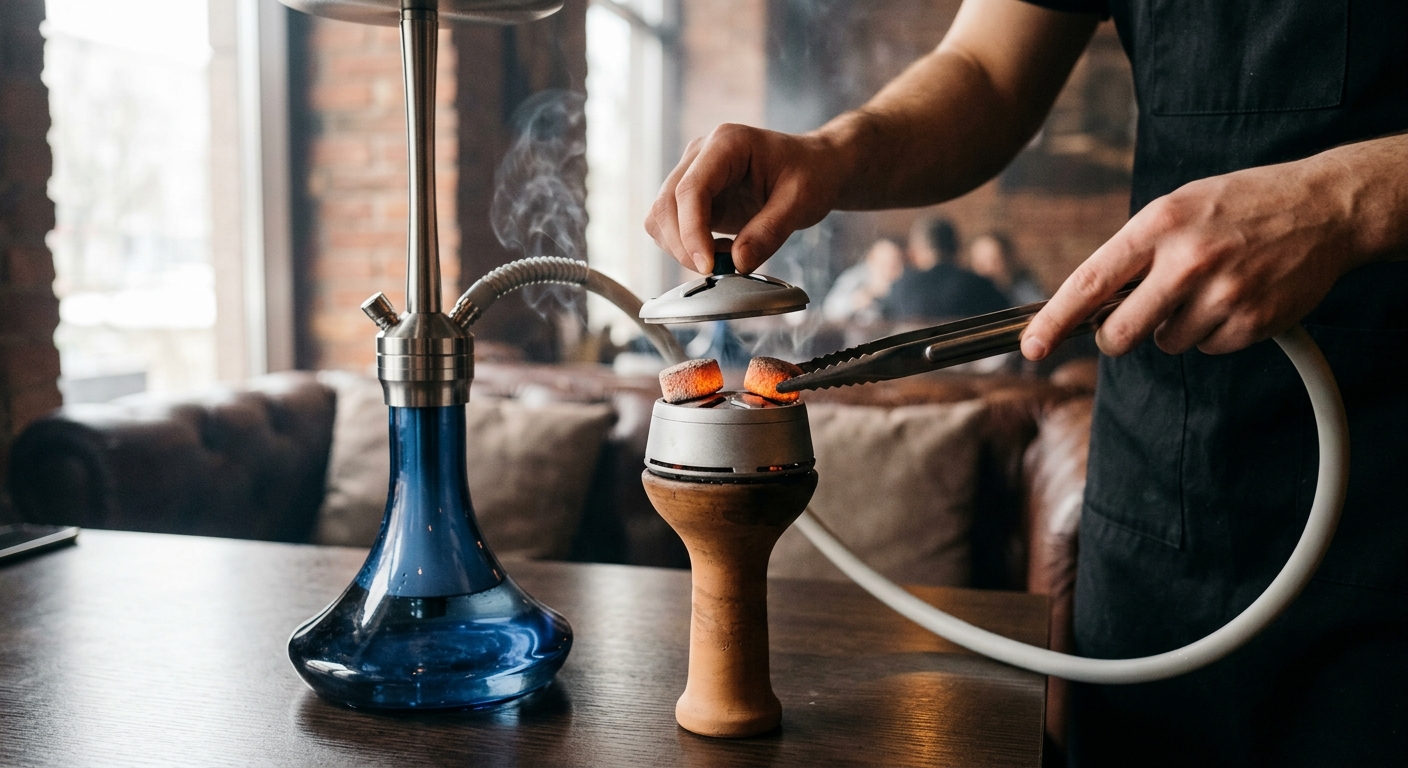
When starting your session, place three fully lit flat coals evenly around the edge of the bowl. Placing them on the edge prevents the center of the tobacco from burning too quickly. If you place them flat-side down, you get maximum heat transfer. If you stand them up on their narrow edge (often called "stone-henging"), you reduce the surface area touching the bowl, thereby lowering the heat output.
2. The Art of Rotation
As the session progresses, the shisha directly beneath the coals will begin to dry out and bake. To maintain consistent flavor, you must rotate the flat coals every 15 to 20 minutes. Move them to unbaked sections of the bowl's perimeter. This practice prevents the dreaded burnt taste that ruins many sessions.
3. Ash Management
Natural coals build up a layer of ash as they burn. This ash acts as an insulator, reducing the amount of heat that reaches your tobacco. Use your tongs to gently drop the coals into your ash tray to knock off the excess ash before placing them back on the bowl. Clean coals ensure consistent heat transfer.
Adapting to Different Tobacco Types
Not all shisha is created equal. Blonde leaf tobacco generally requires less heat, making flat coals in their standard position ideal. However, dark leaf tobacco can often take more heat, requiring a different approach. If you are smoking robust blends, you might want to review this resource on Flat vs Cube Coals for Dark Leaf Tobacco: A Comprehensive Guide to optimize your bowl packing and heating strategy.
Using Flat Coals with Foil vs HMDs
Flat coals are traditionally the go-to choice for aluminum foil setups because their lower heat output prevents the thin foil from transferring too much direct heat to the tobacco. By adjusting how many coals you use and whether they are standing on edge, you have micro-control over the temperature. Conversely, if you decide to experiment with larger coals on foil, you should consult A Complete Guide to Using Cube Coals on Aluminum Foil for Shisha to avoid scorching your bowl.
When using an HMD (Heat Management Device), flat coals are excellent for warming up the device quickly without overflowing the interior capacity. You can usually fit three flat coals into a standard HMD, standing them on edge if necessary, and then remove one once the device reaches the optimal temperature.
Conclusion
Mastering hookah flat coals heat control is a fundamental skill for any serious hookah smoker. By understanding the properties of flat coals, practicing proper placement and rotation, and adjusting your techniques based on your equipment and tobacco type, you can guarantee thick clouds and pure flavor in every session. Always remember that heat management is an active process; staying attentive to your bowl's temperature is the key to a perfect smoke.
Frequently Asked Questions
How many flat coals should I use to start a session?
It is generally recommended to start with three fully lit flat coals placed on the outer edges of the bowl. Once the bowl is heated and producing good smoke, you can drop down to two coals if the smoke becomes harsh.
What does "stone-henging" mean in hookah?
Stone-henging refers to standing a flat coal on its narrow side rather than laying it flat. This reduces the surface area in contact with the foil or HMD, effectively lowering the heat transferred to the shisha.
How often should I ash my flat coals?
You should ash your flat coals every 15 to 20 minutes when you rotate them around the bowl. This removes the insulating ash layer and restores direct heat transfer.
Can I use flat coals in a Heat Management Device (HMD)?
Yes, flat coals work very well in HMDs. Their lower profile allows you to fit them easily inside the device, often allowing for three coals to fit where only two larger cube coals would.
A Complete Guide to Using Cube Coals on Aluminum Foil for Shisha


Comments
Post a Comment